A crate helps an anxious dog only if it reads as a den, not a trap. Two things decide that: the right dimensions and the right associations. Get the size wrong and even good training stalls; get the setup wrong and the crate itself becomes a stressor.
The two measurements that matter
You need length and height, measured on the dog, not guessed from a weight chart.
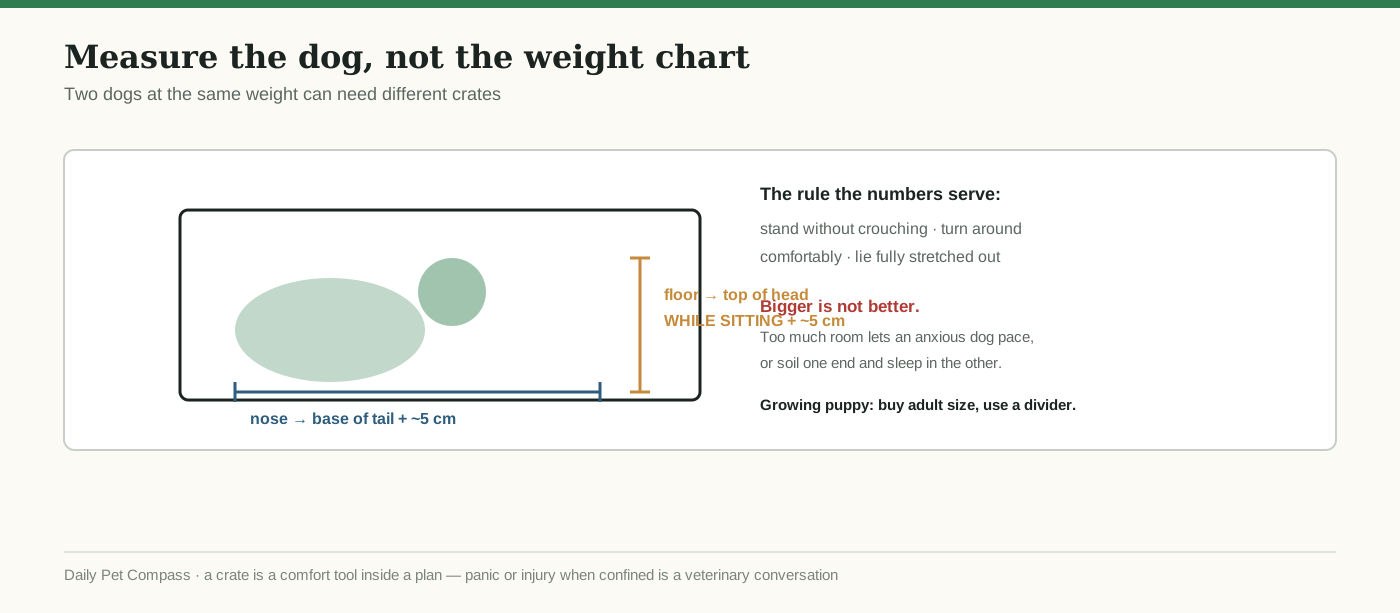
- Length: measure from the tip of the nose to the base of the tail (where it meets the body, not the tail tip). Add roughly 5 cm / 2 in. The crate's interior length should be at least this.
- Height: measure from the floor to the top of the head while the dog is sitting, and add roughly 5 cm / 2 in.
The rule the numbers serve: the dog should be able to stand without crouching, turn around comfortably, and lie fully stretched out. Bigger is not better for a dog with anxiety or one you are house-training — too much room lets them pace, or soil one end and sleep in the other. For a growing puppy, buy for the adult size and use a divider to expand the usable space as they grow.
Placement
Anxious dogs usually settle faster in a low-traffic corner of a room the family actually uses — near people but out of the rush, away from direct heat, vents, and the front door's comings and goings. A crate exiled to an empty basement can deepen isolation distress. Against a wall, with one side open to the room, gives the back-and-sides security of a den.
Covering and bedding
A breathable cover over part of the crate can reduce visual triggers, but leave airflow and never use a cover that traps heat. Use bedding the dog can't shred and swallow; some anxious dogs do better on a flat, washable mat than a bulky bed they rearrange or chew.
Introducing the crate in the first week
Sizing gets you a den; introduction makes the dog believe it. Start with the door off or fixed open and feed every meal inside, then begin tossing a favorite chew in and letting the dog come and go freely. Only once they enter happily on their own do you close the door for a few seconds while they eat, then open it before they ask. Build duration in small steps, always returning before worry sets in. A week of this beats a single forced night.
What "working" looks like
By the end of a good first week the dog walks in on cue, settles, and chooses the crate to nap in when the door is open — that last one is the real tell that it reads as a safe place rather than a holding cell. If you're not seeing voluntary use, slow down rather than push; the goal is a dog that likes the crate, not one that merely tolerates it.
The mistakes that make it worse
Three big ones: using the crate as punishment (it must never be where bad things happen), closing the door too soon (build duration gradually, starting with the door open and the dog choosing to enter for food), and going straight to long absences. For a dog with genuine separation distress, the crate is a comfort tool inside a broader plan, not a containment fix — and forcing confinement on a panicking dog can cause injury.
When it's more than a setup problem
If your dog pants, drools, barks continuously, scratches at the door until paws are raw, or has injured themselves trying to escape, that is distress, not disobedience. Stop relying on the crate for absences and talk to your veterinarian, who can rule out medical causes and, with a veterinary behaviorist, build a separation-anxiety plan. This article is general guidance and does not replace individualized professional advice.
First-week crate log
For the first week, treat the crate as furniture with benefits, not a door you are eager to close. Feed meals near it, then just inside it, then with the dog stepping in and back out freely. Add a chew or stuffed toy only if the dog can relax enough to use it. Close the door for seconds, not minutes, and open it before worry rises. If the dog rushes out, you moved too fast. The practical goal is not "the dog stayed in the crate." It is "the dog chose to enter again later." That distinction matters for anxious dogs because voluntary re-entry is the signal that the setup is becoming safe.
Recheck the usable space after setup
Measure the dog against the finished interior, not the empty crate in the product photo. A thick bed, raised bowl, cover, or divider changes usable height and floor area. Confirm that bedding stays flat, ventilation remains open, and nothing creates a snag or chewing hazard. If the dog pants, drools, claws, bites bars, or cannot settle when the door closes, more space is not automatically the answer; stop confinement and discuss the response with a veterinarian or qualified behavior professional.