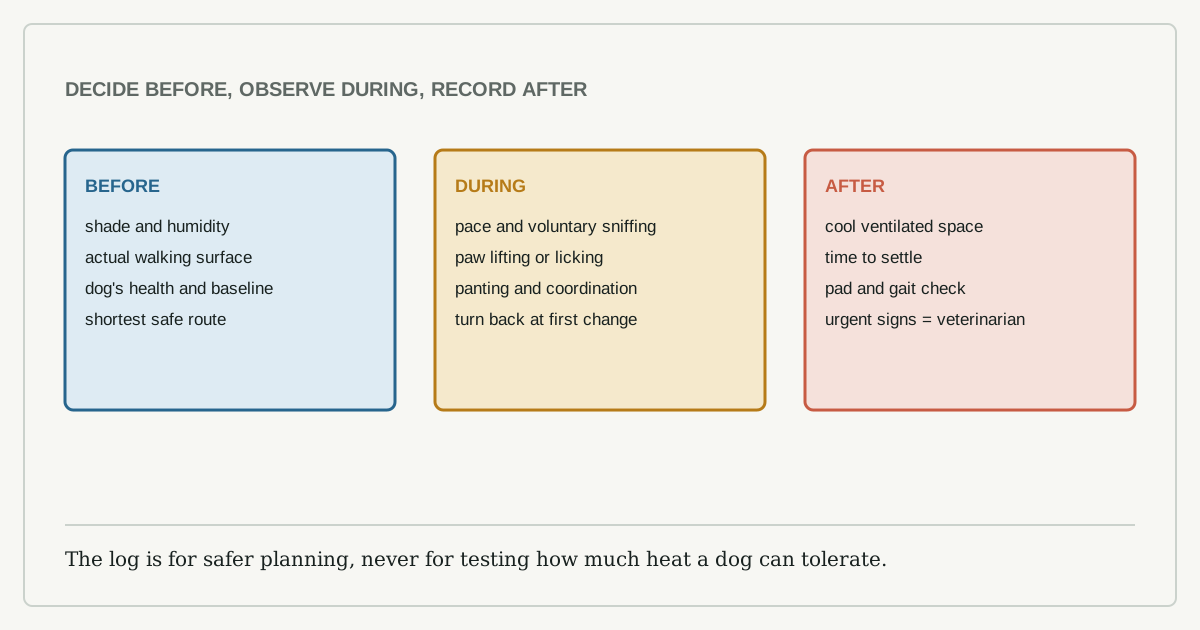
The temperature in a weather app is measured in air. Your dog moves close to a radiating surface, produces heat through exercise, and relies heavily on panting to cool. Humidity, sun, coat, body condition, age, airway shape, medication, disease, pace, and route all change the risk. There is no single temperature that makes every dog safe or unsafe. Use a short pre-walk check, choose the least demanding route, and judge recovery afterwards. When conditions are doubtful, a toilet break and indoor enrichment are a better decision than finishing a planned distance.
Surface heat and route exposure are separate risks
Walk outside without the dog first. Compare sun and shade, touch the actual surfaces on the route, and look for cooler alternatives such as grass or shaded soil. The familiar hand test can flag a surface too hot to tolerate, but it is not a thermometer or a guarantee. Surface heat changes along the route and can be much higher than the reported air temperature.
Avoid routes that trap you on exposed asphalt far from home. Identify water, shade, and the shortest return. Metal ramps, artificial turf, sand, and dark paving can also become hot. Do not assume booties make a long walk safe; they need gradual introduction, correct fit, and frequent checks for rubbing and retained heat.
Check humidity and direct sun. High humidity reduces the effectiveness of panting. A cloudy but humid afternoon may be harder than a dry early morning. Schedule activity for cooler periods and shorten it before the dog shows difficulty.
Which dogs need a narrower plan?
Brachycephalic dogs, seniors, puppies, overweight dogs, and dogs with heart, lung, or other medical conditions can be at higher risk. Ask the veterinarian for an individual activity plan when health is involved. A dog that tolerated last summer may not have the same capacity this year.
Before leaving, note resting breathing, willingness to move, gum color if you know the dog's normal appearance, and whether the dog is already panting indoors. Bring water without forcing large amounts. Choose a harness or collar that does not restrict breathing, and never attach resistance equipment intended to make the walk harder.
The first outing on a hot day should be a check, not a fitness session. Stay close to home for five minutes and watch whether panting escalates, pace drops, the dog seeks shade, lifts paws, lags, drools unusually, or becomes less coordinated.
Recovery belongs in the decision
Record the time the walk ends and how the dog recovers in a cool, ventilated place. Normal recovery varies, so compare with the same dog's ordinary pattern. Continued intense panting, weakness, vomiting, diarrhea, confusion, stumbling, collapse, breathing difficulty, or seizures are emergency signs. Move the animal to a cool area and contact a veterinarian immediately. Follow professional cooling instructions and do not use ice or extremely cold water.
| Check | Before | During | After |
|---|---|---|---|
| Breathing | Normal resting pattern | Panting trend and effort | Time toward normal |
| Movement | Willing, coordinated | Pace, shade seeking, lagging | Weakness or stiffness |
| Paws | No existing injury | Lifting, limping, refusal | Redness, blisters, licking |
| Environment | Surface, humidity, shade | Route still has an exit | Indoor cooling available |
If the dog needs much longer than usual to recover from a short route, that is a reason to reduce or stop outdoor exercise in similar conditions and discuss the pattern with the veterinarian.
Hot paws can be quiet at first
Inspect pads before and after the walk. A dog may continue moving despite discomfort. Limping, repeated paw lifting, licking, discoloration, redness, or blisters needs attention. Move off the hot surface immediately. Cool water may be appropriate for suspected burns, but severe injuries require veterinary care and ice can worsen tissue damage.
Booties can protect against surfaces when correctly fitted, but a new pair introduced on the hot day can cause altered gait or rubbing. Practice indoors, check each dewclaw and seam, and remove them regularly to inspect the feet. Paw wax is not a heat shield. Shade and timing remain the primary controls.
Distance is the wrong goal on a difficult day
On difficult days, separate toileting, movement, and enrichment. Use a short shaded toilet route, then provide scent work, calm training, food-search activities, or play in a cool room as appropriate for the dog. Do not compensate with intense indoor exercise in an overheated space.
Like-for-like recovery notes
A useful log compares the dog with its own recent baseline rather than with another animal. Repeat the same short, shaded route at a similar pace and note when panting begins, whether the dog still chooses to sniff, and how long it takes for breathing and behavior to settle indoors. Stop collecting data when conditions are unsafe; the log is a planning tool, not a heat-tolerance test. A recovery pattern that becomes slower across comparable outings deserves a veterinary conversation, especially when the change appears alongside coughing, reluctance to move, weakness, or altered sleep.
The useful summer log is small: time, air conditions, surface condition, route length, first behavior change, and recovery. It turns "the walk seemed fine" into a pattern you can act on. The safest plan is allowed to change every day, because the dog and the environment do.