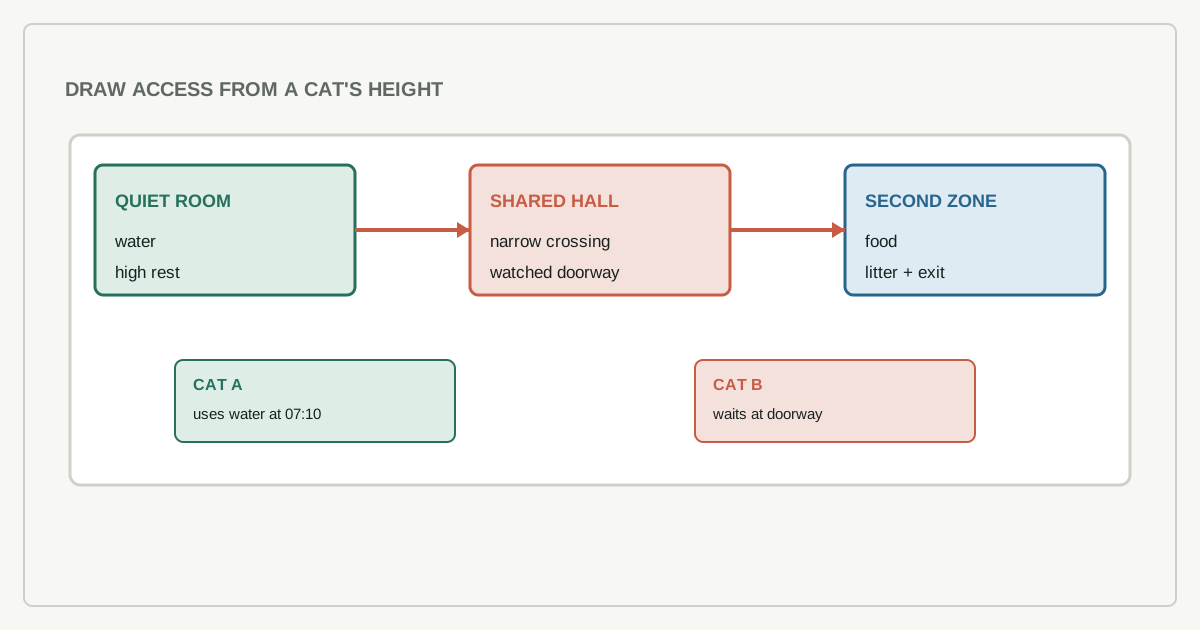
Two bowls beside each other are two objects but one feeding location. Two litter boxes in the same utility room are one location with the same doorway, noise, and possibility of being blocked. That distinction matters in a multi-cat home because access can be controlled without a fight. A cat that sits in a corridor, watches a staircase, or waits near the only exit can make a resource unavailable to another cat while the household still appears fully equipped. Draw the map before adding another product.
The home from a cat's height
Use a simple floor plan. Mark every food station, water source, litter box, bed, hiding place, scratcher, window perch, and vertical route. Then draw the path to each one. Add doors that close, noisy appliances, narrow corridors, children, dogs, and places where two cats must pass face to face.
Observe at three times: feeding, the busiest household hour, and overnight or early morning. Note waiting, staring, rushing, blocking, chasing, and a cat abandoning a route. Also record which resources are ignored. A beautiful perch beside a washing machine may not function as a resting place, and a litter box behind a noisy door may be available only on paper.
Sudden hiding, appetite change, reduced drinking, house soiling, over-grooming, pain signs, or aggression requires veterinary assessment. Environmental conflict and medical problems can coexist; moving a bowl should not delay care.
Separate locations matter more than container count
Resources are meaningfully separate when one cat can use them without entering another cat's guarded sight line. Place food stations so cats are not forced to eat shoulder to shoulder. Some cats tolerate group feeding; others eat quickly, leave early, or wait until a dominant cat finishes. Measure what happens rather than assuming a shared routine is social.
Water should be accessible on more than one route and away from litter contamination. Track actual use before buying another fountain. A quiet bowl in a second room may outperform a motorized fountain placed in a busy bottleneck.
Litter-box guidance is often reduced to a count, but placement, size, substrate, cleanliness, entry height, and escape options matter. Boxes lined in one room share the same access problem. A cat should not have to pass another cat, a dog, or a loud machine to eliminate.
A seven-day pressure log
Create one row per resource and record time, user, approach, interruption, and outcome. "Milo used water at 07:10; Luna watched from doorway; Milo left after five seconds" is actionable. "They do not get along" is not.
Use a different mark for direct conflict and quiet displacement. Direct conflict includes chasing or swatting. Quiet displacement includes waiting, detouring, crouching, eating only when the room is empty, or choosing a less suitable box. The quiet pattern is easy to miss and often explains why a product appears unused.
| Map symbol | Meaning | First question |
|---|---|---|
| Single arrow | One clear approach | Can the cat leave another way? |
| Opposing arrows | Cats must pass closely | Can one route be widened or duplicated? |
| Eye line | Resource is watched | Can a screen or location break visibility? |
| Noise mark | Appliance or door startles | Is a quieter station possible? |
One bottleneck at a time
Start with the resource that shows the clearest access problem. Move or duplicate it in a genuinely different area. A cardboard box with two openings can test a hiding-place location before you buy furniture. A plain water bowl can test a quiet room before you buy a fountain. A temporary litter tray can reveal whether location, not box design, is the issue.
Preserve familiar options while testing. Replacing every litter box, food bowl, or resting place at once removes the baseline and may create new stress. Keep substrates and cleaning routines stable unless a veterinarian has advised a change.
For vertical space, check both ascent and descent. A perch with one narrow route can become a trap. Add more than one way down where practical, and ensure shelves or furniture are stable and safe for the cats' mobility.
The social map after seven days
After seven days, compare waiting time, abandoned approaches, eating pace, box use, and resting choices. Improvement looks like voluntary use and easier movement, not forced proximity. If conflict escalates, a cat stops eating, injuries occur, or either cat shows pain or elimination changes, involve the veterinary team. A qualified feline behavior professional may be needed after medical causes are addressed.
The final map should let every cat reach food, water, elimination, rest, scratching, and safe retreat without passing through a single controlled gate. You may end with fewer products than expected and better placement. The specialized insight is not "buy one more." It is that a resource counts only when the intended cat can reach, use, and leave it safely.