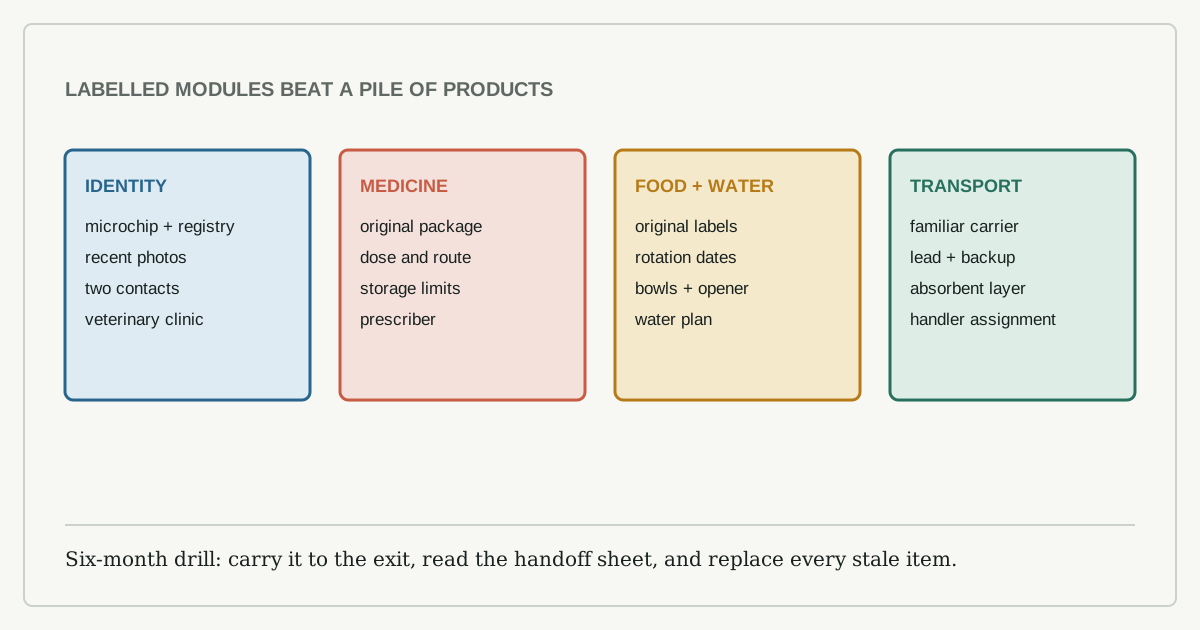
An emergency kit is useful only if someone can find it, lift it, identify the animal, and understand the medication without calling you. Build around continuity: proof of identity, current health information, a safe way to move the pet, and supplies that are rotated before they expire. A Swiss household also needs to distinguish a local evacuation from crossing a border. A microchip record or domestic vaccination note is not automatically the complete travel document required for another country, so verify current FSVO rules when a cross-border route is part of the plan.
What belongs on the identity sheet?
Create one page per animal with name, species, breed or description, sex, colour, weight, microchip number, registry contact, veterinarian, medication, allergies, feeding amount, handling warnings, and two emergency contacts. Add recent photographs showing the whole animal and distinctive markings. Print two copies and save an offline digital copy that a trusted person can access.
Do not put account passwords or unnecessary identity documents in the bag. Store sensitive originals securely and carry copies where accepted. For cross-border movement, keep the current pet passport or required veterinary document with the animal's travel materials and check validity before travel. Regulations can change after this guide's verification date.
Attach a waterproof contact card to the carrier without exposing a home address more broadly than necessary. Confirm that the microchip registration contains current contact information; possessing the chip number is not the same as having an up-to-date registry record.
Medication must survive a handoff
Ask the veterinarian what emergency supply is appropriate and lawful for each prescription. Keep medicine in its original labelled packaging with written dose, route, schedule, storage limits, prescribing clinic, and what to do if a dose is missed. Never combine tablets in an unlabelled container.
Record refrigeration needs and plan for power loss. A cool bag is not a validated long-term medicine refrigerator. If temperature control is critical, ask the clinic for a specific transport plan and replacement threshold. Check expiry dates monthly and rotate stock through normal use where permitted.
Include a medical summary, vaccination record, relevant test results, and a list of current conditions. A concise handoff helps an unfamiliar clinic make safer decisions.
Food and water expire on a schedule
The CDC checklist uses a substantial supply target, but the practical quantity depends on the emergency plan, animal, storage space, and local guidance. Store food in waterproof containers while preserving the original label, lot number, and best-before information. Sudden food substitution can cause problems, so rotate the emergency supply through ordinary feeding before it expires.
Pack a manual can opener where needed, non-spill bowls, feeding instructions, waste bags, absorbent pads, litter and a compact litter tray for cats, and cleaning materials. Mark the date each item was checked. Water is heavy; decide what travels in the first bag and what remains in the household reserve.
| Module | Grab first | Review date |
|---|---|---|
| Identity | One-page sheet, photos, chip details | After every contact change |
| Medical | Labelled medicine, summary, clinic contact | Monthly and after each prescription |
| Food | Original label, portions, opener | Before expiry and formula changes |
| Transport | Carrier, harness, lead, towel | After growth, damage, or escape attempts |
Can the transport plan reach the exit?
Every animal needs a secure transport method that matches its size and behavior. Check carrier latches, ventilation, base support, and vehicle restraint. Cats should be accustomed to the carrier as part of the room. Dogs need a fitted harness or collar and lead, plus a backup connection if escape risk justifies it. Do not first introduce equipment during an evacuation.
Lift the packed carrier and go from the sleeping area to the building exit. Can one person manage the animal and bag? Does a stairwell, lift outage, or narrow door change the plan? For multi-pet homes, assign carriers and handlers. Add a written fallback for when the primary person is away.
Identify two destinations that accept animals and one veterinary contact outside the immediate area. Do not assume every emergency shelter or hotel accepts pets. For border travel, use the FSVO's current tools rather than an old checklist.
Run the turnover drill every six months
Twice a year, place the animal safely in the transport setup, carry the bag to the exit, read the identity sheet aloud, and inspect every date. Replace damaged leads, expired food, stale photos, old phone numbers, and medication instructions that no longer match the prescription. Recharge lights and power banks.
Stop the drill if the animal panics or the handling becomes unsafe. Carrier training and cooperative restraint should be built gradually, not forced during a timed exercise. Ask a veterinarian or qualified behavior professional for help when transport itself is a serious problem.
The finished kit should look unremarkable: labelled modules, current records, familiar equipment, and a visible review date. Its value is not the number of products inside. It is that another competent adult can keep the animal identified, supplied, and safely transported when the normal routine has disappeared.