Senior-dog shopping lists usually begin with products: a ramp, an orthopedic bed, grip socks, raised bowls. A better audit begins with routes. Watch how the dog gets from sleep to water, from the door to the toilet area, and from the evening resting place to the person they seek at night. The difficult part may be a polished turn, a bowl that slides, or one step at a threshold rather than the long staircase you expected. Map those moments before changing the home, and share new mobility or behavior changes with a veterinarian instead of writing them off as age.
Walk the four routes without calling the dog
Observe four ordinary journeys: bed to water, bed to outside, food area to resting place, and the route used after dark. Do not lure the dog faster with food. You want normal pace, pauses, foot placement, and choices. Note where the dog hesitates, shortens stride, spreads the rear feet, scrambles, hugs a wall, or refuses a turn.
Place small removable tape markers beside each difficulty, never on the walking surface. Then photograph the route from the dog's height. A human looking down may miss glare, clutter, a dark threshold, or a sharp turn that becomes confusing when vision changes.
Repeat the observation on two days. A single awkward rise after deep sleep can differ from a consistent loss of traction. Sudden weakness, limping, repeated falling, dragging feet, reluctance to move, or a marked mood change deserves veterinary attention promptly.
Traction must cover the movement, not decorate the room
A small mat under the bed helps only if the front and rear feet both land on it during the entire stand. Watch the motion in slow video. Many dogs push the front half onto a rug while the rear feet remain on smooth flooring. Extend a stable runner beyond the first steps and through the turn.
Choose mats with a backing that does not creep. Tape can create curled edges, and loose rugs can become another trip hazard. Test each edge with your shoe and hand before the dog uses it. Yoga mats can add grip for supervised routes, but inspect them for chewing and bunching. Keep nails and paw fur discussed with your groomer or veterinarian; no floor product fixes discomfort or a medical mobility problem.
For stairs, the safest change may be reducing trips rather than adding a steep pet ramp. Move a bed, water station, or nighttime resting area to the floor where the dog spends most time. Use gates only if the dog understands them and cannot become trapped or attempt to jump them.
Check water, food, and rest as one system
The dog should reach water without a slippery approach, tight turn, or bowl that moves. Mark the bowl's position and watch whether the dog braces, splays, or abandons drinking early. Bowl elevation is not universally helpful; neck, spine, swallowing, and medical needs differ. Ask the veterinarian before treating height as a standard senior-dog upgrade.
Beds need a stable entry side and enough space to turn without stepping over a raised edge. Very soft beds can be difficult to rise from. Test whether the surface supports weight while still cushioning pressure points. Keep bedding dry and inspect skin that contacts the bed, especially when mobility is limited.
| Station | Observe | Small first change |
|---|---|---|
| Water | Approach, stance, bowl movement | Secure mat and clearer route |
| Bed | Entry, turn, rise, nighttime use | Stable edge and landing space |
| Door | Threshold height and urgency | Traction on both sides |
| Stairs | Hesitation, speed, missed steps | Reduce trips and add a barrier plan |
Rebuild the night route
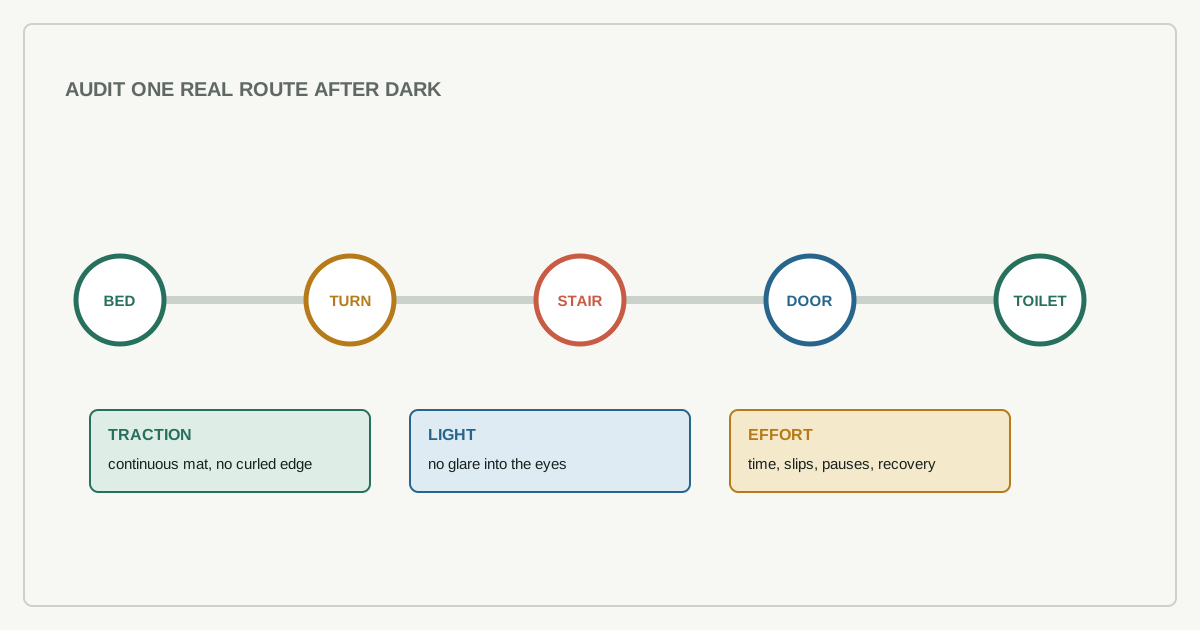
Darkness changes familiar geometry. Add low, steady lighting along the route to water and the toilet exit without shining directly into the dog's resting area. Remove charging cables, baskets, and furniture that narrows the path. Keep doors in a consistent position so a half-open door does not become a new obstacle.
Listen as well as watch. Repeated nighttime wandering, staring, vocalizing, getting stuck behind furniture, or a reversed sleep pattern can accompany pain, sensory change, urinary urgency, or cognitive decline. Record when it happens and discuss it with the veterinary team. Environmental changes can support a dog, but they do not identify the cause.
Decide whether a product solves the marked problem
Return to the tape markers before buying. A ramp is useful only if its angle, surface, width, top landing, and side protection fit the exact transition. Grip socks are useful only if they stay correctly fitted, do not rub, and the dog tolerates wearing them. A lifting harness needs professional fitting guidance when pain or neurologic weakness is involved.
Make one change at a time and record the same route again. Improvement means fewer slips, less hesitation, a smoother rise, or renewed use of a needed station. If the change is ignored, creates avoidance, or moves the difficulty elsewhere, remove it. The aim is not to fill the house with senior products. It is to preserve safe, voluntary movement while veterinary care addresses the reason that movement changed.